October 21, 2026
Crushed Rock vs. Gravel for a Washington Driveway: Which Should You Choose?
Crushed Rock vs. Gravel for a Washington Driveway: Which Should You Choose?
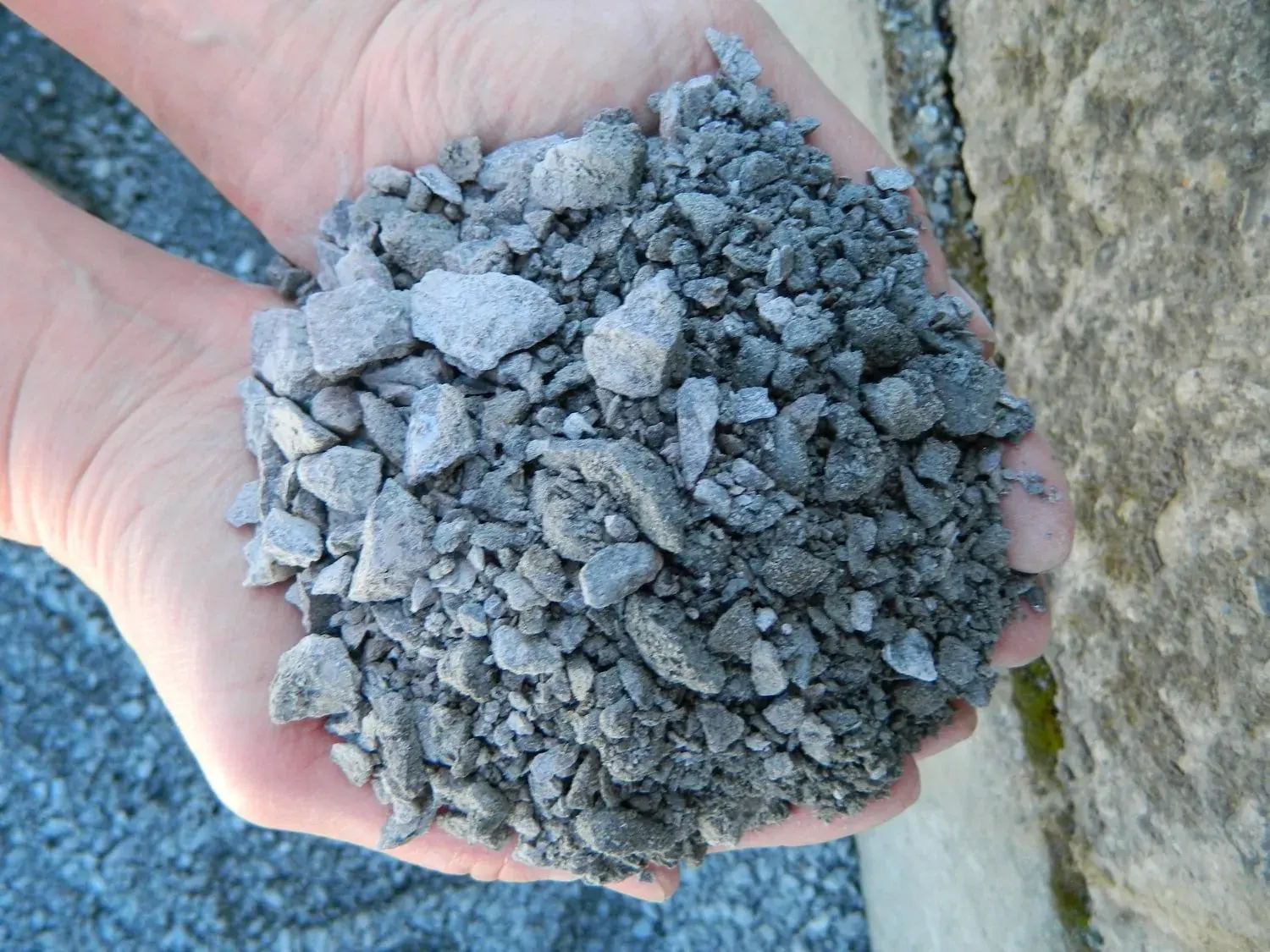
Choosing driveway rock can be confusing because “gravel” is often used as a catch-all term for several different materials. The key things to compare are the rock’s shape, size, and whether it contains fine particles. These details affect how well the material compacts, how it handles vehicle traffic, and how water moves through the driveway.
For many Pierce and Thurston County driveways, angular crushed rock is a practical choice. Here’s how it differs from rounded gravel, and how to choose between a compacted top layer, a stable base, and recycled crushed asphalt.
The quick difference
Crushed rock has sharp, broken edges. Those pieces can lock together when compacted, helping make a firm surface.
Rounded gravel has smoother, more rounded stones. It can drain freely, but the stones tend to shift under tires rather than lock into a stable surface.
The names can vary between suppliers, so it’s worth asking what a product is made of and how it’s intended to be used. In particular, “minus” means the material includes a range of sizes, from larger pieces down to smaller particles and fines. Those smaller particles help fill gaps and compact into a tighter surface.
The Washington State Department of Ecology’s landscaping materials guide notes that rounded river gravel and pea gravel can move underfoot and are generally not recommended for driveways. For a surface you’ll drive on regularly, angular, compactable material is usually a better starting point.
Why crushed rock works well for driveways
A crushed rock driveway can provide a stable surface when the material is well suited to the job, placed over a properly prepared base, and graded to direct water away. The angular pieces help resist movement, while fines in minus material help it pack down.
That doesn’t mean every crushed rock product works the same way. A larger rock is often better suited to a base, while a smaller minus product can create a smoother driving surface. And clean crushed rock, with most fines removed, is useful where drainage is the priority, but it usually won’t compact as tightly as minus material.
In the Pacific Northwest, drainage depends on more than the rock itself. A driveway should be shaped so water can run off rather than collect in ruts or low spots. If your site has soft soil, steep slopes, heavy vehicle use, or persistent drainage problems, consider getting advice from a contractor familiar with local conditions.
Compare the main options
5/8" minus crushed rock: a compactable top layer
G & L Bark Supply’s 5/8" minus crushed rock is a versatile option for driveway surfaces, parking areas, and paths. It includes fines that help the angular pieces lock together when compacted.
This smaller size is a common choice for a finished driveway layer because it creates a relatively smooth surface for everyday use. It can also be used for a compactable base under patios and walkways. For a driveway that needs a new base as well as a top layer, ask whether a larger material is appropriate underneath.
1 1/4" minus crushed rock: a stable base
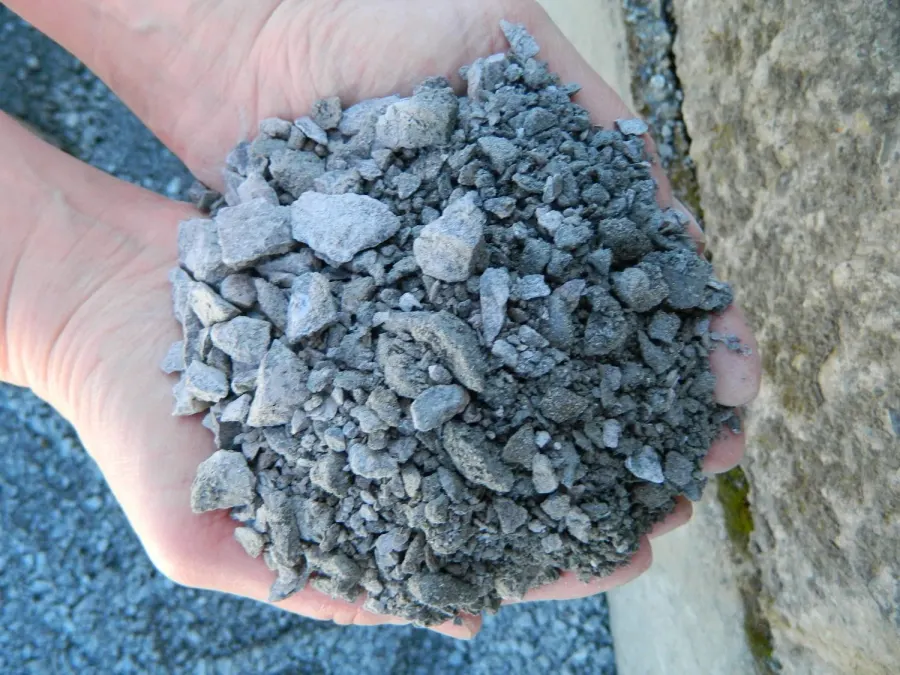
For a stronger base, consider 1 1/4" minus crushed rock. Its larger angular stones, mixed with fines, can compact into a solid foundation for driveways and areas that see heavier traffic.
A common approach is to use a larger crushed material for the base and a smaller material for the top. The right depth and layout depend on existing ground conditions, how much traffic the driveway carries, and how the site drains. Contractors should also check project specifications and local requirements rather than relying on a one-size-fits-all section. For reference, WSDOT’s aggregate and base specifications describe materials and practices for transportation projects; residential work may have different requirements.
Recycled crushed asphalt: a durable, cost-conscious alternative
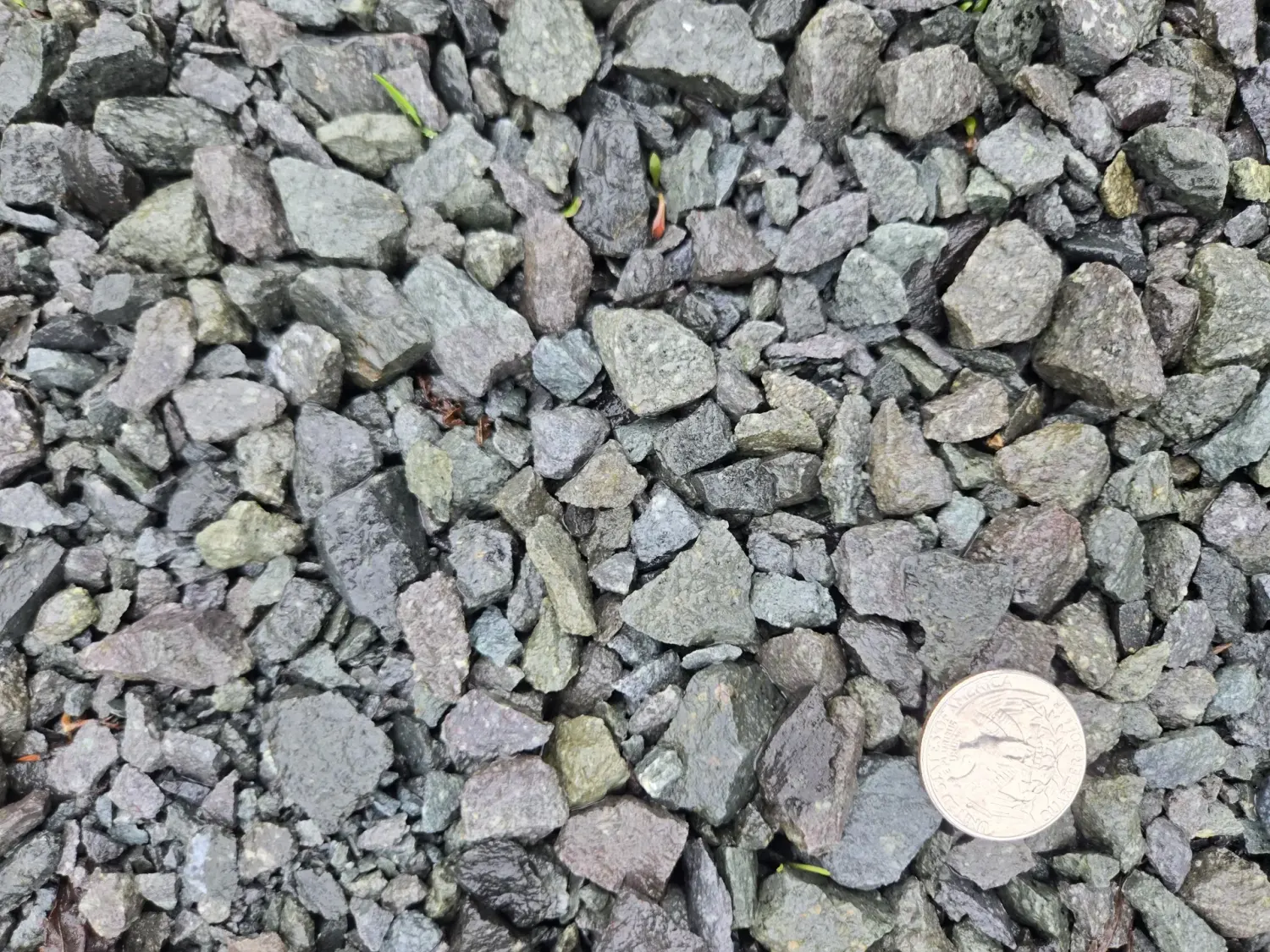
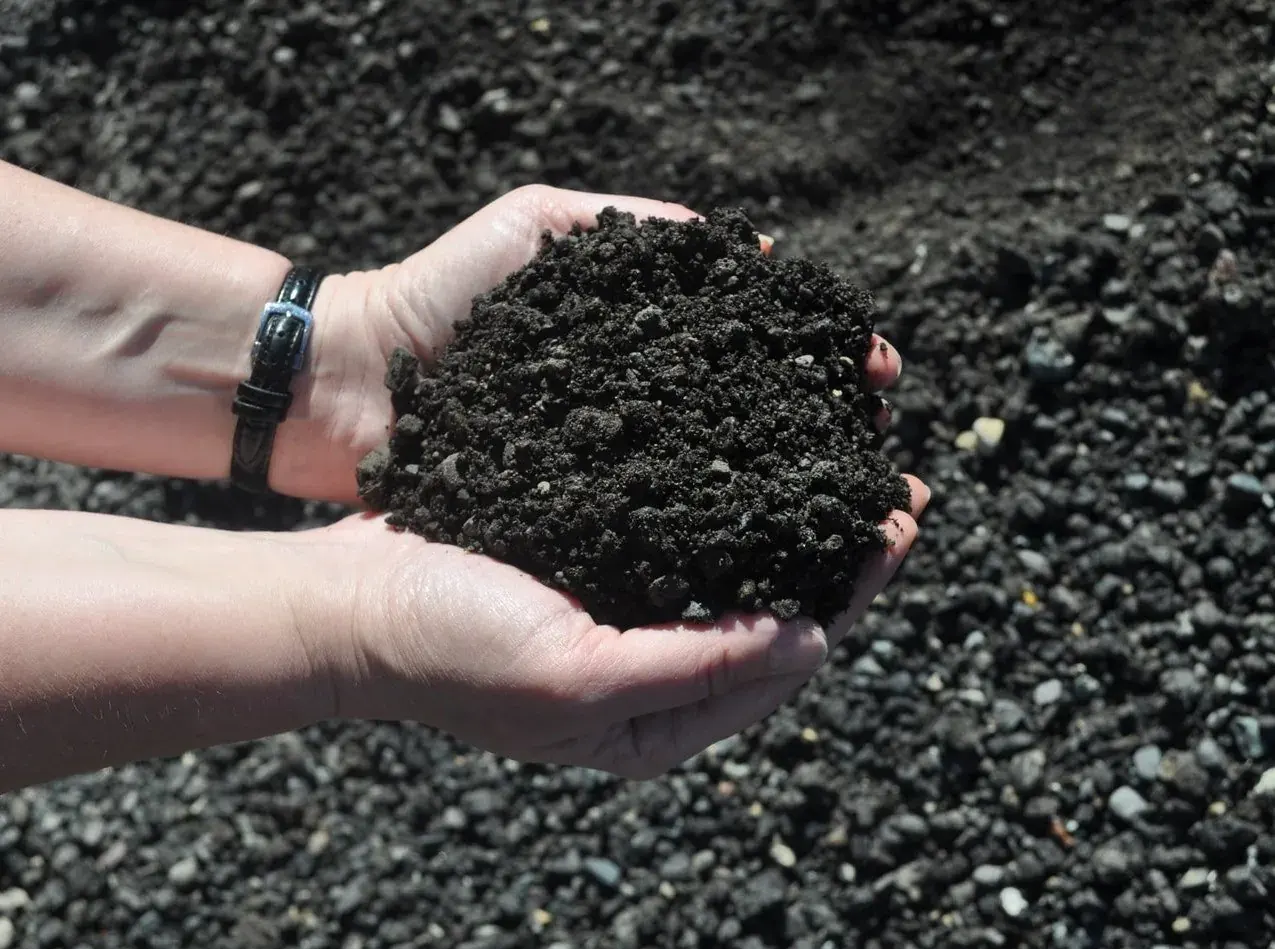
Recycled crushed asphalt reuses material from existing pavement. It’s a cost-effective option for driveways and parking areas, and it can bind together over time, especially when wet, creating a firmer, semi-solid surface.
Its dark appearance is another consideration. If you’re comparing it with crushed rock, look at the material in person if color and finish matter to your project. As with any driveway surface, good preparation and grading still matter.
What about drainage?
It’s easy to assume that a looser, rounded gravel will solve a wet driveway. But a material that drains freely may also move more under tires. And a stable driveway surface needs water to have a clear route off the drive.
For the driving layer, 5/8" minus crushed rock can offer a useful balance of compaction and practical drainage when the driveway is properly graded. For areas where you specifically need water to pass through the rock, a clean crushed product with fines removed may be more appropriate. G & L also carries clean crushed rock for drainage uses.
If water regularly crosses your driveway, pools in low areas, or softens the ground beneath it, the underlying drainage or grading may need attention. Choosing a different surface rock alone may not fix the problem.
A few practical planning tips
Before ordering material, take measurements and think through the whole driveway, not just the surface you can see.
- Check the existing ground. Soft, organic, or muddy areas may need to be addressed before new rock is placed.
- Plan for water. The driveway should shed water away from buildings and avoid creating runoff problems for neighboring properties.
- Match the material to the job. A compactable minus product is different from clean, freely draining rock.
- Ask about quantity and access. The amount you need depends on area and depth, and delivery access can affect where material can be placed.
- For larger projects, confirm the section. Contractors should follow project plans and applicable local requirements, especially for culverts, drainage, and connections to public roads.
G & L’s yardage calculator can help estimate how much material your project needs. Treat the result as a starting point, and ask the team if you’re unsure about depth or which product suits your plans.
Looking for gravel delivery near me?
If you’re searching for gravel delivery near me in Pierce or Thurston County, G & L Bark Supply delivers to areas including Spanaway, Lacey, Olympia, and Tumwater. Same-day delivery is often available, depending on the material and schedule. Delivery fees vary by distance and order size, so call for a delivered-price estimate before ordering.
G & L Bark Supply is family-owned across three generations and has served the area since 1989. You can also visit either yard to see and compare materials in person: Spanaway at 1302 208th St E, or the Lacey yard at 9041 Pacific Ave SE in Olympia. Visit the locations page for details, or explore the crushed rock options online.
Which should you choose?
For many driveways, 1 1/4" minus crushed rock is worth considering for the base, with 5/8" minus as the top layer. If you want a durable, cost-conscious surface with a darker finish, recycled crushed asphalt is another option. Rounded gravel is generally better suited to decorative uses than to a driveway that needs to stay firm under regular vehicle traffic.
Every property is a little different. If you share your driveway’s size, current condition, and how it’s used, the G & L team can help you compare materials and plan your next step.