November 2, 2026
How to Choose the Right Bark Mulch for Your Garden Beds
How to Choose the Right Bark Mulch for Your Garden Beds

Bark mulch can make a garden bed look finished, help slow down weeds, and keep soil from drying out as quickly. The tricky part is choosing the right size. Fine bark, medium bark, and large nuggets each suit different spots, and the best choice depends on how you want the bed to look and how often you want to refresh it.
Here’s a practical guide to choosing bark mulch for your garden beds, paths, and slopes.
Start with the look and location
A smooth, manicured flower bed has different needs from a sloped planting area or a path between garden beds. As a general guide:
- Fine bark creates a neat, even finish for flower beds and borders.
- Medium bark is a versatile choice for everyday landscaping and moisture retention.
- Nugget bark has a chunkier look and lasts longer in beds, paths, and on slopes.
- Turf mulch is another option for turf-related projects. Ask our team about the intended application so you can choose the right material.
Particle size also affects how mulch settles and how much you’ll need. If you’re unsure, visit a yard to compare the materials in person before ordering.
Choose fine bark for a tidy finish
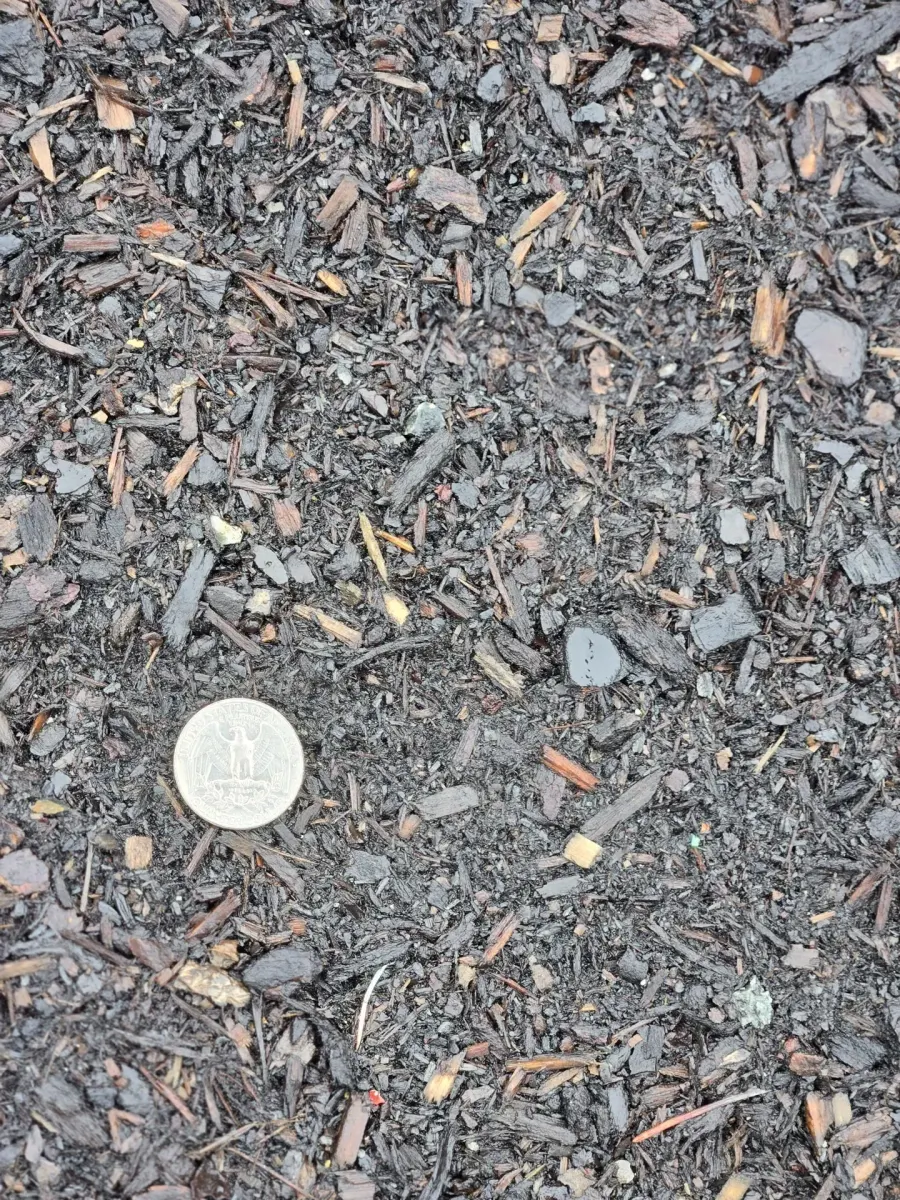
Dark fine bark has small, finely shredded pieces that create a smooth, consistent appearance. It’s a good fit for manicured flower beds, garden borders, and areas around shrubs where you want the plants to stand out against a uniform ground cover. G&L’s dark fine bark is free of dyes.
Fine bark breaks down faster than larger pieces, so you may need to refresh it more often. Because it settles closely together, avoid spreading it too deeply. A thinner, even layer is generally a good starting point, especially where water needs to reach the soil easily. The Oregon State University Extension guide to mulching woody ornamentals offers additional guidance on mulch depth and keeping material away from plant stems.
Fine bark is also available in bags, which can be convenient for small beds, narrow borders, or touch-ups when a bulk load would be more than you need.
Choose medium bark for all-around use
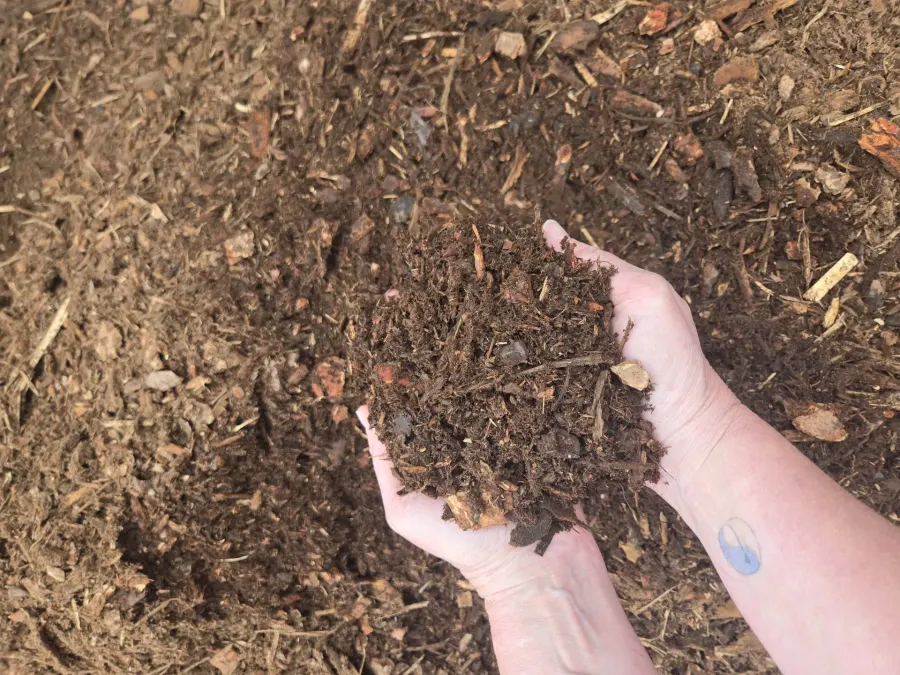
If you want one reliable option for a general landscape refresh, consider medium bark. The pieces range from about 1 to 3 inches, giving the bed more visible texture than fine bark while still creating good coverage.
Medium bark is G&L’s most popular bark. It’s a practical choice for general landscaping because it helps suppress weeds and retain soil moisture. Use it in mixed beds with shrubs and perennials, or where you want a natural-looking finish without the larger scale of nuggets.
As with any mulch, spread it evenly and leave space around plant stems. Mulch pressed against a stem or trunk can hold excess moisture where it isn’t wanted.
Choose nugget bark for slopes, paths, and longer wear
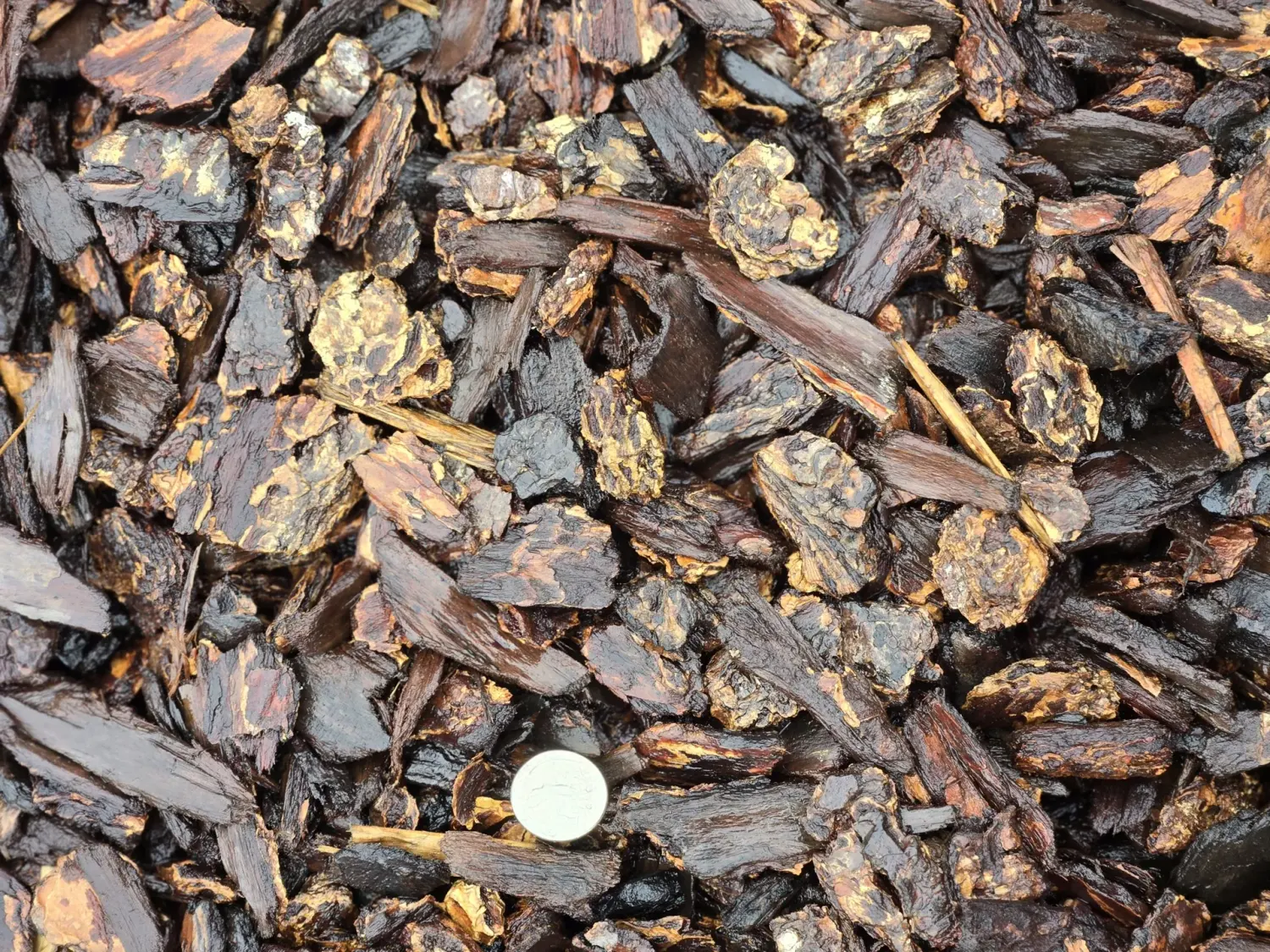
For a bolder, chunkier look, nugget bark is the longest-lasting bark option in G&L’s selection. Its larger pieces, about 2 to 5 inches, work well in large landscape beds, around trees, and on paths or slopes. The pieces interlock, helping the bark stay in place better than finer materials.
The tradeoff is appearance: nuggets leave a more open, textured surface than fine or medium bark. That can be just right for a natural-looking slope or a broad planting area, but it may not give a small, detailed flower bed the smooth finish you’re after.
What about turf mulch?
Turf mulch is another material G&L carries. It isn’t the same choice as decorative bark for a flower bed, so if your project involves lawn or turf, check with the team about how it’s intended to be used. A quick conversation can help you avoid choosing a material based on its name alone.
Apply mulch without overdoing it
A good mulch job starts before the material arrives:
- Pull existing weeds. Mulch can help limit new weeds, but it won’t reliably eliminate established perennial weeds.
- Check the existing depth. If there’s already mulch in the bed, measure it before adding more. You may only need to top up low spots.
- Spread the material evenly. Avoid deep piles, especially around stems, crowns, and tree trunks.
- Keep water in mind. Mulch helps soil hold moisture, but water still needs to reach the roots. If the surface crusts or water runs off, loosen it and check the depth.
Depth recommendations vary with bark size and site conditions. For a general overview of how mulch behaves in Pacific Northwest landscapes, see Washington State University Extension’s waterwise landscaping guidance. When in doubt, start with a moderate layer and ask for advice based on your plants and existing bed.
Estimate how much bark you’ll need
Measure the length and width of each bed, then decide on an approximate depth. G&L’s product listings estimate that one cubic yard of fine or medium bark covers about 100 square feet at 3 inches deep; nugget bark covers about 80 square feet at the same depth. These are planning estimates, and the shape of your beds and how deeply you spread the material will affect the amount.
Try the yardage calculator to estimate your order. If the area is irregular or you’re ordering for several properties, the team can also help you work through the quantity.
Bulk or bags?
For a small border or a few spots that need a refresh, bags can be easier to handle and store. For larger garden beds or a full landscape installation, bulk bark can be a practical option. G&L offers bulk and bagged landscape materials, with product availability varying by yard.
If you’re searching online for “bark mulch near me,” G&L has two yards where you can compare materials in person: Spanaway and Lacey. The family-owned business has served the area across three generations since 1989.
G&L offers bulk mulch delivery across Pierce and Thurston counties, including Spanaway, Lacey, Olympia, and Tumwater. Same-day delivery is often available, depending on the schedule and product availability. Delivery fees depend on distance and order quantity, so call for a delivered quote.
Pick the bark that fits your project
For a smooth, manicured bed, start with fine bark. For a dependable everyday option, choose medium bark. For paths, slopes, or a longer-lasting chunky look, consider nuggets. And for a turf-related project, ask about turf mulch before you order.
Browse G&L’s bark options, use the yardage calculator, or visit a Spanaway or Lacey yard to see the materials for yourself.